
How does The Green Therapy Involve Youth in Gardening?
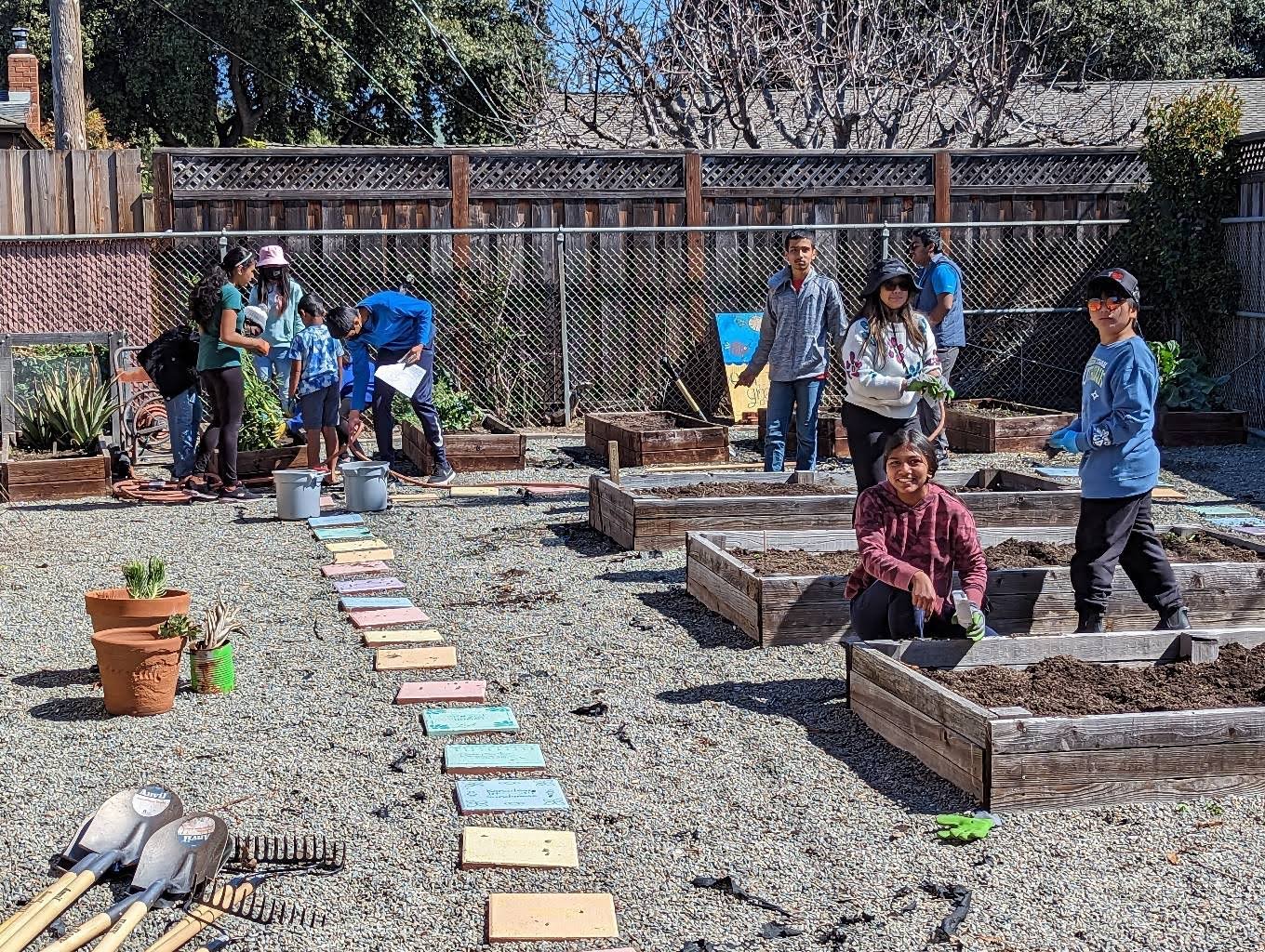
The Green Therapy works directly with schools, implementing a gardening-based program and environmental education. Our ultimate goal is to provide students with the knowledge & skillset to protect the health of our planet by practicing sustainable, native-friendly gardening at and beyond the school environment.



About Our Material
Our program is a polished combination of different strategies & activities we have found to best optimize student engagement. As required of the program, we visit a school in the fall or spring and host a cup-planting workshop, which contains an educational and hands-on component.
To supplement the program, we developed 22 classroom-friendly lessons. They were designed to incorporate a variety of themes crucial for growing a successful, self-sustainable garden—such as cultivating crops, monitoring soil, and supporting native wildlife.
School Gardens

17+
Partnered Schools

12500+
Students Reached via Program and Ed. Material


7250+
California-Native Seeds Sown

800+
Hours Contributed to the Community
29+
School Workshops & Garden Sessions Led
The Green Therapy’s Impact Map
Here’s what we’ve learned about school gardens over the last three years.
Simplicity. You don’t need much to get started, and, frankly, we didn’t understand this at first. We’d provide lists of composts, fertilizers, sunlight requirements, and more to schools, but none of that was really needed. You may be able to grab a couple more beans out of each plant—but to the kids, the difference between twenty and ten is marginal. To them, being able to play with the soil and seeing that the corn seeds they sowed are growing and have produced flowers is far more exciting. This excitement is what needs to be cultivated. So, don’t stress about perfection. Even a single, well-maintained pot of beans and carrots makes for a wonderful experience; it’s easy to grow, and contains lessons in gardening techniques such as companion planting and pruning.
School Garden Models. When someone with an infectious love for the outdoors leads, everyone tends to follow. Finding such a person is the single most important step to establishing a school garden. Once that’s done, the next steps depend on what you’re looking for in a garden: a learning tool or a student safe space. We see the best results with learning gardens when a single, dedicated teacher is in charge, either as a garden educator or purely out of interest. It’s usually easier for them to integrate gardening into class lessons and communicate with other teachers. Teachers like to use Google Classroom to set up larger community events. Safe space gardens require more maintenance and community input, so those run by a collection of parents tend to be the most successful.
Funding. Home improvement and hardware stores such as Home Depot and Ace Hardware are extremely willing to help out school gardens. We actually obtained much of our equipment from Home Depot at 60% off. All we did was explain our cause to the store manager. Local nurseries are another great source. They donated enough seedlings to completely fill four 8’ x 3’ beds at our school. Grants are more complex, requiring more effort to search and apply for them. But from what we’ve seen, as long as you have a solid plan for the funds, you’ll be successful. The Whole Foods Market Foundation Grant is a great place to start!
Categorizing Plants. Plants in school gardens can largely be categorized into vegetables, fruits, and flowers. Vegetables are multi-purpose; they are relatively easy to grow, are ready to harvest in a few months, and can be used to demonstrate a variety of climate concepts. More importantly, vegetables create excitement among students by letting them see that the care they put into their garden pays off. Vegetables can be used to associate a positive image with the garden and invite students back again. Fruits are for the long-term. It takes around 5 years for them to establish themselves; but once they have, they take off rapidly. We’d suggest berries for school gardens, as they take less time to develop and are class favorites. We’ve been to schools with enormous strawberry patches, whose runners need to be trimmed to keep from taking over the entire garden! Flowers provide bright, popping colors and serve native pollinators. We like to plant milkweed varieties that are native to California, which support local bees and butterflies. Annual flowers bloom fast and die afterwards, while perennials are slower-growing and longer-lived.