
Nightshades
Nightshades are a wide variety of plants under the Solanaceae plant family. Over 2,000 plant varieties are considered nightshades, but only a few are eaten as food. The most famous examples include eggplant, tomato, and pepper. Several studies have connected edible nightshade plants to many nutritional benefits such as Vitamin A and C.


Being able to identify the type of disease your nightshade has is extremely important for ensuring its success. Below, we describe two common diseases in nightshades.
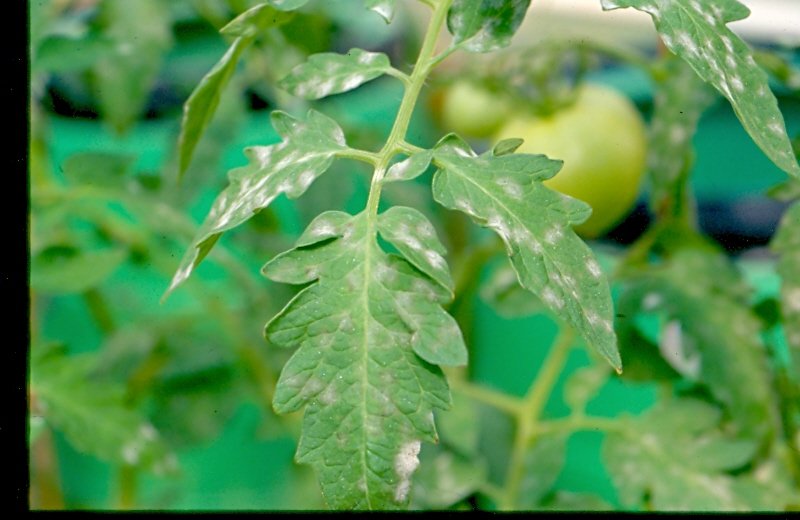
Powdery mildew is a fungal infection that affects quite the variety of plants and is recognized by dusty areas of gray or white powder on the leaves and stems of affected plants. This is rarely fatal, but it causes stress on the plant and can leach nutrients, leaving the plant more vulnerable. To deal with this infection, remove infected sections from your plant, apply a fungicide, improve air circulation by pruning, avoid watering from above, and do not fertilize affected plants until you are sure the infection is gone.
Growing Successful Nightshades

Identifying Disease
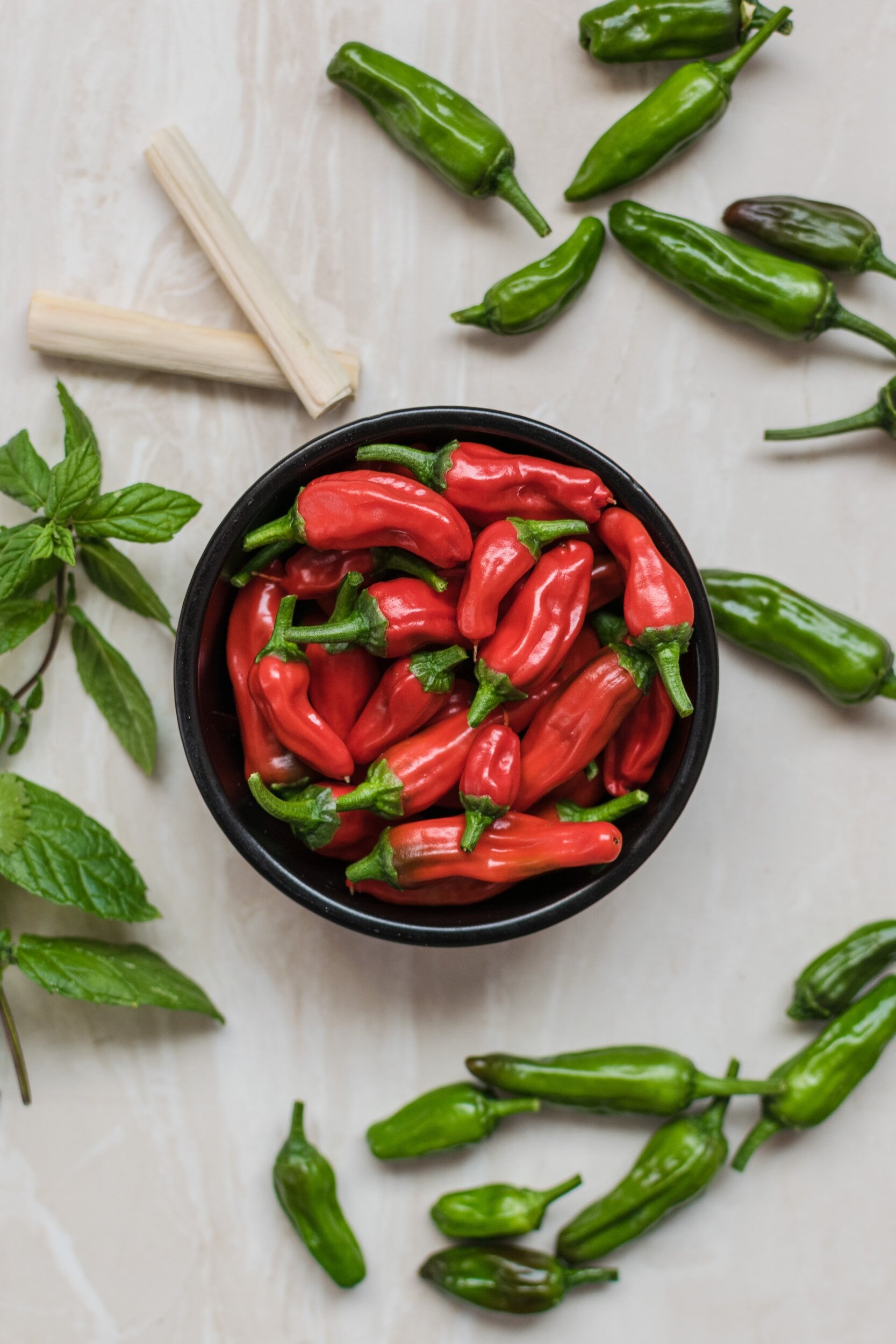
Pruning nightshades encourages focused growth and bountiful harvests
Prune tomatoes by removing side shoots (called “suckers”) and low-hanging leaves for a better harvest. Suckers are the stems that sprout sideways from the base of the plant and from the points of branch division.
For eggplant, maintain your plant to three main stems (1 original main stem and 2 side shoots) and remove all other emerging shoots. Remove any branches that grow inward—growth that is too dense can trap humidity and create an environment for disease.
It is recommended that you do not prune large-fruited peppers (bell peppers), as this stunts their growth. For smaller fruited varieties, such as jalapenos, habanero, and Thai peppers, pinch off the main stem early in the season to encourage the plant to branch out more, leading to better yields.
Add plenty of organic matter to your soil before planting. For example, compost can provide plants with the required nutrients & minerals. Adding lime and eggshells to your mix can help prevent blossom end rot, a common nightshade disease where the bottom of the fruit rots.
Inconsistent water stresses your plants and can lead to diseases, so make sure to water on a fixed schedule. Try not to water overhead to prevent fungal diseases from moisture on the leaves; water at the base of the plants instead.
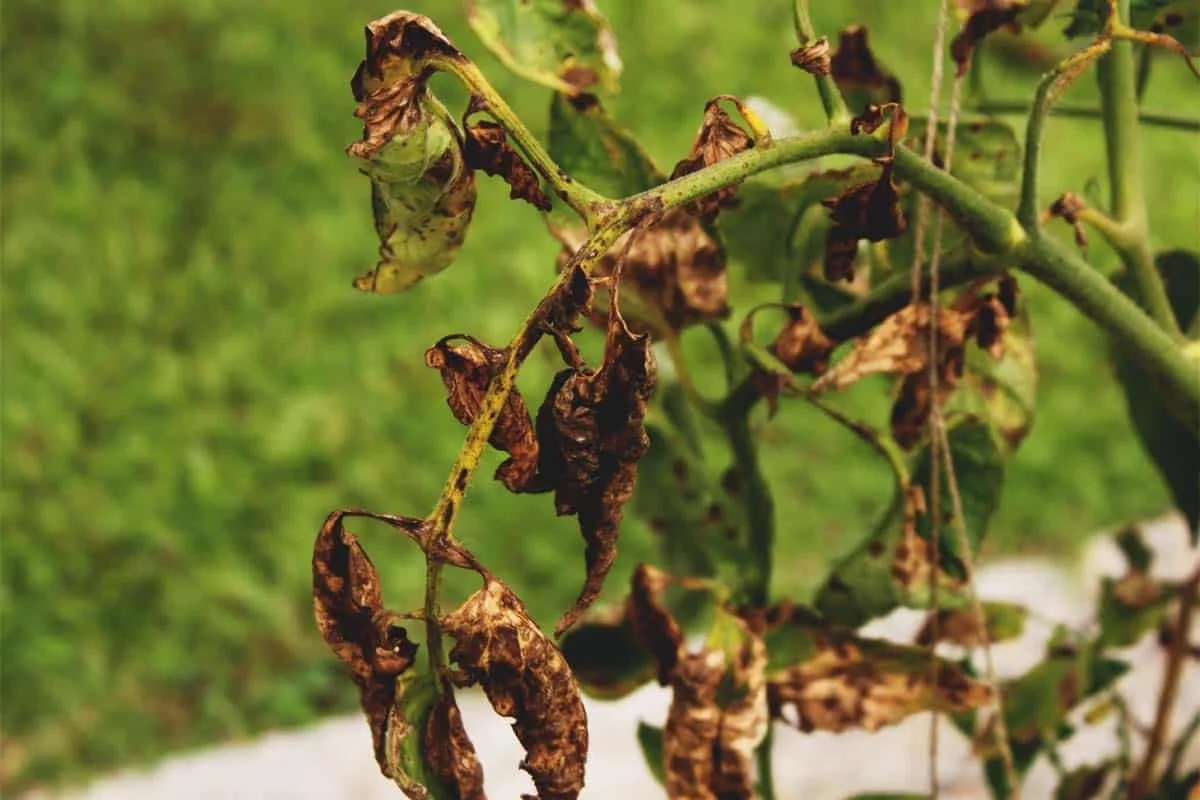
Verticillium Wilt is a fungal disease that could affect your tomato plants. Symptoms start with older leaves developing yellow, v-shaped areas; the leaf will eventually turn brown and die. The loss of leaves will typically leave sunscald on the fruit and diminish the plant’s yield. The best way to deal with fungal diseases is by avoiding wetting the leaves & fruits when watering, sanitizing tools, and rotating crops.
One of the best ways to avoid dealing with disease-ridden plants is by choosing disease-resistant varieties. Typically, the strength of resistance is provided on the seed packet, but you can always search for varieties online!
Sources: Savvy Gardening, Gardening Know How, Morning Chores, The Kitchn, Gardener’s Path, Unsplash